
The BMO US Put Write ETF offers investors a different approach to generating income from the US stock market. Instead of relying only on traditional stock dividends, the fund uses put options to collect premiums. This strategy can create regular distributions, but it also exposes investors to market declines and changing option prices.
Understanding how the fund works is essential before deciding whether it fits your portfolio. This guide explores its investment strategy, share price, monthly distributions, fees, performance, and key risks. It also explains how to evaluate the fund without relying on its distribution yield alone.
What Is the BMO US Put Write ETF?
The BMO US Put Write ETF is an exchange-traded fund managed by BMO Asset Management Inc. It trades on the Toronto Stock Exchange under the ticker ZPW in Canadian dollars, while its US-dollar unit class trades under ZPW.U. Launched on September 2, 2015, the fund aims to provide alternative income by selling put options on US large-cap equities and investing assets in cash equivalents. Factsheet+1
Unlike a conventional equity ETF that primarily holds stocks, this fund uses an options-based strategy to collect premiums. Those premiums can help support monthly distributions, although the fund’s returns also depend on market conditions, option pricing, expenses, and changes in its net asset value. Investors should understand that regular cash payments do not guarantee profits, and the fund can lose value when markets fall sharply.

ZPW ETF Price and Key Fund Details
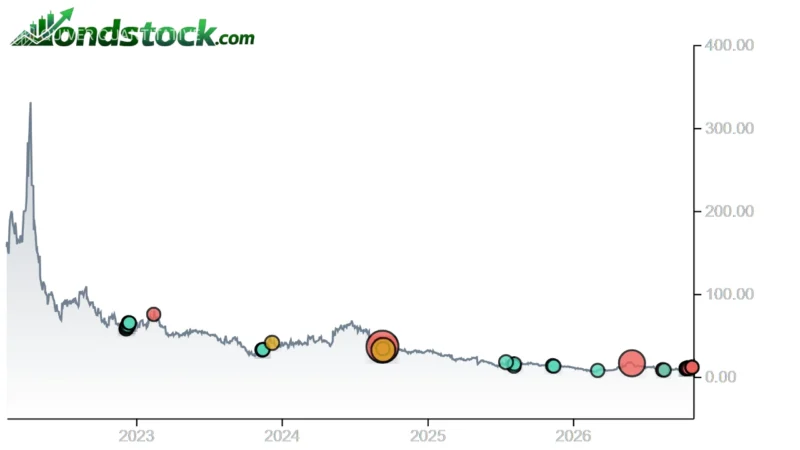
The market price of an ETF changes throughout the trading day as buyers and sellers respond to market conditions. On November 2, 2026, the supplied market snapshot showed a price of approximately C$16.08, with an intraday range of C$15.99 to C$16.08. Prices can change quickly, so investors should check a live quote before making a trading decision.
The fund’s official factsheet provides useful information about its structure, fees, and distribution schedule. The following table summarizes key details, using the latest available official factsheet figures and the market information supplied for this article. Factsheet+1
| Fund detail | Information |
|---|---|
| Fund name | BMO US Put Write ETF |
| Ticker | ZPW |
| Exchange | Toronto Stock Exchange |
| Base currency | Canadian dollars |
| Inception date | September 2, 2015 |
| Management fee | 0.65% annually |
| Management expense ratio | 0.72% |
| Distribution frequency | Monthly |
| August 2026 annualized distribution yield | 9.44% |
| Supplied November 2 price | Approximately C$16.08 |
These figures have different reporting dates, so they should not be treated as one simultaneous market snapshot. The annualized yield shown above comes from the August 2026 factsheet, while the price comes from the supplied November 2 information. Always confirm the latest price, fund assets, and distribution rate before investing.
How the Put-Write Investment Strategy Works
The fund generates income by selling short-dated, out-of-the-money put options on US large-cap equities. A put option gives its buyer the right to sell an underlying asset at a specified price under the contract’s terms. The option seller receives a premium in exchange for taking on an obligation if the option is exercised. The fund uses this approach to seek alternative income from equity market exposure. Factsheet+1
The strategy can perform differently depending on whether stock prices rise, remain stable, or fall. When options expire without being exercised, the fund may retain the premiums collected. However, a significant market decline can expose the strategy to losses. Cash equivalents can provide a source of liquidity, but they do not eliminate the risks associated with writing put options.
Investors should understand these basic elements:
- Option premiums: Payments received for selling put options.
- Cash equivalents: Assets held to support the strategy and manage available funds.
- Market exposure: The portfolio remains vulnerable to declines in US equities.
- Portfolio turnover: Options may require frequent adjustments as contracts expire or market conditions change.
The strategy is different from simply owning a broad-market index fund. Its income potential depends partly on option premiums, while its downside exposure means that investors should evaluate total returns rather than focusing only on cash distributions.
ZPW ETF Dividends and Monthly Income
Monthly distributions are a major reason investors consider this fund. BMO’s October 2026 distribution announcement listed a payment of C$0.125 per unit for the Canadian-dollar units and US$0.125 per unit for the US-dollar units. The payment amounts are denominated in their respective currencies, and future distributions may change. Oct 22, 2026+1
An annualized distribution estimate can help investors understand the potential cash flow, but it is not the same as a guaranteed dividend yield or investment return. For example, a C$0.125 monthly payment equals C$1.50 over 12 months if that amount remains unchanged. At an illustrative purchase price of C$16.08, this would represent an annualized distribution rate of approximately 9.33%, before considering changes in price, taxes, or reinvestment.
Consider this hypothetical example:
| Investment measure | Illustrative amount |
|---|---|
| Initial investment | C$5,000 |
| Assumed purchase price per unit | C$16.08 |
| Approximate units purchased | 310 |
| Assumed monthly distribution per unit | C$0.125 |
| Estimated monthly cash distribution | C$38.75 |
| Estimated annual cash distributions | C$465.00 |
This example assumes 310 units and an unchanged monthly distribution of C$0.125. Actual results depend on the purchase price, distribution changes, transaction costs, and taxes. It also excludes any change in the market value of the investment.
BMO explains that ETF distributions can include income, gains, or return of capital, depending on the fund’s circumstances. If distributions exceed the fund’s investment performance over time, the investor’s original capital may shrink. Therefore, review the fund’s distribution notices and total-return history before treating its monthly payments as dependable income. BMO US Put Write ETF

ZPW ETF Performance, Fees, and Investment Risks
Investment performance should be assessed across several periods rather than through a single recent price movement. BMO’s factsheet dated August 31, 2026, reported net assets of approximately C$107.21 million and an annualized distribution yield of 9.44%. These figures provide a useful historical reference, but they do not establish the fund’s current valuation or guarantee its future returns. Factsheet
The management fee is 0.65%, while the reported management expense ratio is 0.72%. The expense ratio reflects fund operating costs included in the reported measure, so it is more informative than the management fee alone when comparing ongoing expenses. Investors should also consider brokerage commissions, tax treatment, and any currency conversion costs associated with their accounts.
The main risks include:
- Equity market declines: Falling US stock prices can lead to losses.
- Distribution uncertainty: Monthly payments can change or be discontinued.
- Limited upside participation: An options-based strategy may not capture all gains during strong equity rallies.
- Currency exposure: Canadian-dollar investors holding US-linked assets may experience currency-related effects.
- Market-price risk: Units may trade above or below their net asset value.
- Tax considerations: The tax treatment of distributions depends on their character and the investor’s circumstances.
BMO states that ETF values fluctuate and that distributions are not guaranteed. Investors should read the current prospectus and fund documents before deciding whether this strategy suits their objectives. BMO US Put Write ETF+1
How to Evaluate ZPW Before Investing
A sensible evaluation starts with your investment goal. If you need recurring cash flow, examine the fund’s distribution history, the source of its payments, and its total return after expenses. If you want long-term capital growth, compare its performance with broad US equity ETFs and other income strategies over similar periods. A high distribution rate alone does not establish that one fund is better than another.
You should also compare the Canadian-dollar units with the US-dollar units and determine which currency exposure fits your financial situation. Check the latest holdings, option strategy disclosures, management expense ratio, trading volume, bid-ask spread, and distribution announcements. These details can help you assess costs, liquidity, and the possibility of capital losses.
Before investing, ask yourself:
- Can I tolerate a decline in the value of my investment?
- Do I understand how put options create both income opportunities and potential losses?
- Have I compared total returns instead of relying solely on distribution yield?
- Does the fund complement my existing investments?
- Have I considered taxes, fees, and currency exposure?
These questions can help you make a more informed decision. Your choice should reflect your time horizon, income needs, and ability to withstand market volatility rather than the appeal of a headline yield.
Conclusion
The BMO US Put Write ETF provides an alternative way to seek income from US large-cap equities through a put-writing strategy. Its monthly distributions and options-based approach may interest investors who want cash flow beyond traditional stock dividends. However, the fund carries meaningful risks, including equity market losses, changing distributions, and the possibility that payments may exceed investment performance.
Before buying, verify the latest market price, distribution announcement, fees, and fund documents. Compare the fund’s total returns with suitable alternatives and consider how it fits into your wider portfolio. No distribution rate can guarantee future income or protect your original investment, so careful research remains essential.
Frequently Asked Questions
What is ZPW?
It is the Toronto Stock Exchange ticker for the BMO US Put Write ETF’s Canadian-dollar units.
Does ZPW pay monthly dividends?
The fund makes monthly distributions, but the amount and continuation of future payments are not guaranteed.
What is the current ZPW ETF price?
The supplied November 2, 2026, market snapshot showed approximately C$16.08, but live prices may differ.
What is the ZPW distribution yield?
BMO’s August 2026 factsheet reported an annualized distribution yield of 9.44%, which can change with the distribution rate and net asset value.
How does the BMO US Put Write ETF generate income?
It sells short-dated, out-of-the-money put options on US large-cap equities to collect option premiums.
Is ZPW a good investment for beginners?
It may suit some income-focused investors, but beginners should understand options risk, market losses, and distribution uncertainty first
What is the difference between ZPW and ZPW.U?
ZPW represents Canadian-dollar units, while ZPW.U represents US-dollar units of the fund.
Can I lose money investing in the BMO US Put Write ETF?
Yes, its market value can decline, and distributions do not guarantee a positive total return.
Also Read…