

Introduction
Robots are no longer stuck in factories. They pack your groceries, assist surgeons, and even drive cars. That shift is why robotics stocks have become one of the hottest topics for investors in 2026. If you have watched the news lately, you have probably noticed how often robotics stocks come up alongside AI and semiconductor headlines.
You might be wondering if robotics stocks deserve a spot in your portfolio, or if this is just another passing trend. That is a fair question. In this article, we will break down what robotics stocks actually are, which companies lead the pack in 2026, and why this industry keeps growing at such a fast pace. We will also compare robotics stocks with AI and semiconductor stocks so you know exactly where the overlap and differences lie.
By the end, you will have a clear, simple picture of robotics stocks and how they fit into a long term investment plan.
What Are Robotics Stocks?
Robotics stocks are shares of companies that design, build, or supply parts for robots and automated machines. These companies range from giants that manufacture industrial robotic arms to smaller firms that create software brains for autonomous machines.
In simple terms, when you buy robotics stocks, you are investing in businesses that profit from automation. This includes companies that make:
- Industrial robots used in factories and warehouses
- Robotic surgical systems used in hospitals
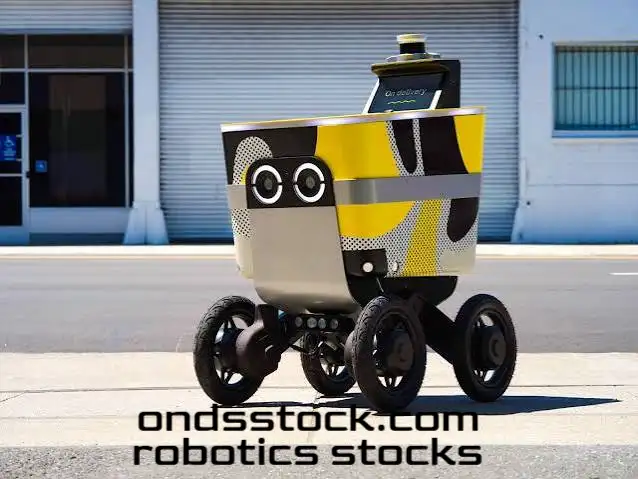
- Autonomous delivery and logistics robots
- Sensors, chips, and software that power robotic movement
- Defense and military robotics systems
Robotics stocks are not a single sector on their own. Instead, they sit at the crossroads of technology, manufacturing, and artificial intelligence. That is exactly why so many investors are paying attention to robotics stocks right now. Every time a company builds a smarter robot, it usually needs AI software and advanced chips too, which links robotics stocks closely with other booming tech categories.
Which Are the Best Robotics Stocks in 2026?
Picking the best robotics stocks depends on your goals, but a few names consistently show up in most investor watchlists this year. Here are some of the companies leading the robotics stocks conversation in 2026.
Industrial Automation Leaders
Companies that make robotic arms and factory automation systems remain core holdings among robotics stocks. Firms such as Fanuc, ABB, and Rockwell Automation continue to supply robots to car manufacturers, electronics makers, and packaging plants worldwide. These businesses have decades of experience, which gives their robotics stocks a stability that newer players often lack.
Humanoid and AI Robotics Innovators
This is where the excitement really is. Companies working on humanoid robots and general purpose robotics, including Tesla with its Optimus project and specialized firms like Figure AI, have pulled massive investor attention. Even though many of these robotics stocks are still early in commercial rollout, investors treat them as long term bets on the future of labor automation.
Chip and Sensor Suppliers
You cannot talk about robotics stocks without mentioning the chipmakers behind them. Nvidia, for example, supplies the processing power that lets robots see, think, and react in real time. Sensor companies that build cameras, lidar, and touch sensors also count as robotics stocks because robots simply cannot function without this hardware.
Healthcare Robotics Companies
Intuitive Surgical remains one of the most talked about robotics stocks in the medical field. Its surgical robots are used in hospitals across the globe, and demand keeps rising as more procedures shift toward robotic assistance.
I personally find healthcare robotics one of the most exciting corners of this market. The technology directly improves patient outcomes, which gives these robotics stocks a strong, relatable growth story beyond pure numbers.
Are Robotics Stocks a Good Long Term Investment?
This is probably the question on your mind, and honestly, it depends on your risk tolerance. Robotics stocks can offer strong growth potential, but they also come with volatility, especially among newer companies still proving their technology works at scale.
Here is what makes robotics stocks appealing for long term investors:
- Growing demand. Labor shortages and rising wages push more companies toward automation every year.
- Wide industry reach. Robotics stocks are not tied to one sector. They touch manufacturing, healthcare, agriculture, logistics, and defense.
- AI integration. As artificial intelligence improves, robots become smarter and more useful, which boosts demand for robotics stocks tied to AI development.
- Government support. Many countries now offer incentives for domestic manufacturing and automation, which benefits robotics stocks directly.
That said, not every robotics stock will succeed. Some companies overpromise on timelines, and commercial robots often take longer to scale than expected. If you decide to invest in robotics stocks, spreading your investment across several companies rather than betting on just one tends to reduce risk.
As always, this article is for informational purposes only and not personalized financial advice. It is worth doing your own research or speaking with a financial advisor before buying any robotics stocks.
Why Are Robotics Companies Growing?
A few clear trends explain why robotics stocks keep climbing on investor watchlists.
Labor Shortages Are Pushing Automation
Many industries struggle to find enough workers, especially in manufacturing and warehousing. Robots fill that gap without needing breaks, overtime pay, or sick leave. This trend alone has driven massive interest in robotics stocks over the past few years.
AI Has Made Robots Smarter
Older robots could only repeat the same programmed motion. Modern robots, powered by machine learning, can adapt to new tasks on the fly. This leap in intelligence is a major reason robotics stocks have gained so much attention alongside AI stocks.
Costs Are Coming Down
Robotic components, including sensors, motors, and batteries, have become cheaper to produce. Lower costs mean more companies can afford automation, which expands the customer base for robotics stocks.
Supply Chain Concerns
Recent global supply chain disruptions pushed many manufacturers to bring production closer to home. Automated factories powered by robotics reduce dependence on overseas labor, adding another growth driver for robotics stocks.
Which Industries Use Robotics the Most?
Robotics stocks benefit from demand across a wide range of industries. Here are the biggest users of robotic technology today.
- Manufacturing. Car makers, electronics producers, and consumer goods companies rely heavily on robotic arms for assembly lines. This remains the largest market for robotics stocks.
- Logistics and warehousing. Companies like Amazon use robots to sort, pick, and move packages faster than human workers alone could manage.
- Healthcare. Robotic surgery systems, hospital delivery robots, and rehabilitation devices all fall under this growing segment of robotics stocks.
- Agriculture. Autonomous tractors and robotic harvesters are becoming common on large farms, adding a fresh growth avenue for robotics stocks.
- Defense. Military drones and autonomous vehicles represent a fast growing niche within robotics stocks, especially as governments increase defense budgets.
Robotics Stocks vs AI Stocks vs Semiconductor Stocks
These three categories often overlap, but they are not identical.
AI stocks focus on the software and algorithms that let machines learn and make decisions. Semiconductor stocks focus on the chips that power everything from smartphones to robots. Robotics stocks sit in between, combining hardware, software, and mechanical engineering into one physical product.
Here is a simple way to think about it. AI is the brain, semiconductors are the nervous system, and robotics stocks represent the full body that brings both together into something you can physically see working. Many companies actually overlap across all three categories, which is part of why robotics stocks have become such a hot topic alongside the broader AI boom.
Final Thoughts
Robotics stocks sit right at the center of one of the biggest technology shifts of our time. From factory floors to operating rooms, robots are taking on more tasks every single year, and the companies building them are drawing serious investor interest.
If you are considering robotics stocks for your portfolio, take time to research individual companies, understand their revenue sources, and watch how quickly they can scale their technology. Growth potential is real, but so is the risk that comes with any emerging industry.
What do you think? Are robotics stocks already part of your portfolio, or are you still watching from the sidelines? Feel free to share your thoughts or pass this article along to someone exploring robotics stocks for the first time.
source: fool.com
Frequently Asked Questions
1. What exactly are robotics stocks? Robotics stocks are shares of companies involved in designing, building, or supplying parts for robots, including industrial machines, medical devices, and autonomous systems.
2. Are robotics stocks the same as AI stocks? No. AI stocks focus on software and algorithms, while robotics stocks involve the physical machines that AI often powers. There is overlap, but they are not identical.
3. Which company is considered the biggest name in robotics stocks? There is no single leader, but companies like Intuitive Surgical, Fanuc, ABB, and Nvidia are frequently mentioned among top robotics stocks due to their market influence.
4. Are robotics stocks risky? Like most emerging technology investments, robotics stocks can be volatile. Established industrial players tend to be more stable, while newer humanoid robotics companies carry higher risk.
5. Which industries drive the most demand for robotics stocks? Manufacturing, logistics, healthcare, agriculture, and defense are the top industries fueling demand for robotics stocks in 2026.
6. Should beginners invest in robotics stocks? Beginners can consider robotics stocks as part of a diversified portfolio, but it helps to research individual companies first or consult a financial advisor.
7. Why are robotics stocks growing so fast right now? Labor shortages, falling component costs, and rapid AI advancements are the main reasons robotics stocks are experiencing strong growth in 2026.
About the Author
Sarah Mitchell is a financial content writer who focuses on technology and emerging market trends. She enjoys breaking down complex investment topics into simple, practical guides that help everyday readers make informed decisions.
ondsstock.com
Email: johanharwen314@gmail.com
Author Name: Sarah Mitchell