
Build-A-Bear Workshop has attracted investor attention because of its recognizable brand, personalized products, and changing stock performance. For investors researching Build a Bear stock, the latest share price is only one part of the story. Revenue growth, earnings, dividends, and future business opportunities also matter when evaluating its potential.
As of October 30, 2026, Build-A-Bear Workshop, Inc. (NYSE: BBW) closed at $27.61 per share. The stock’s valuation, recent earnings performance, and wide 52-week trading range raise important questions about its future direction. This guide examines the company’s financial position, price trends, forecast factors, and major risks to help readers make more informed decisions.
Build a Bear Stock Overview and Stock Symbol
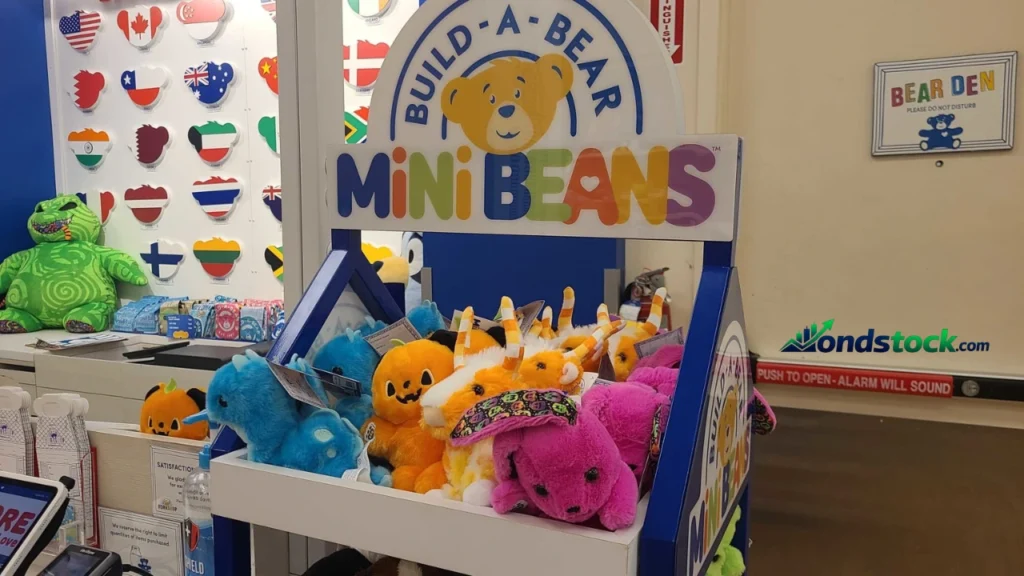
Build-A-Bear Workshop, Inc. is a retail company known for allowing customers to create personalized stuffed animals. Its stores offer a hands-on shopping experience where customers can select a plush toy, add clothing and accessories, and customize their purchases. The company also sells products through e-commerce and licensing partnerships, helping it reach customers beyond physical retail locations.
The Build a Bear stock symbol is BBW, and its shares trade on the New York Stock Exchange. Investors can research the company through financial platforms and its official investor relations website. Its business performance depends on consumer spending, brand popularity, product selection, and seasonal shopping patterns. Holiday demand can support sales, while weaker discretionary spending may put pressure on revenue and profitability.
Build a Bear Stock Price Today and Historical Performance
Build-A-Bear Workshop closed at $27.61 on October 30, 2026, gaining $0.13, or approximately 0.47%, during the session. The stock opened at $27.70 and traded between $27.25 and $28.48. After-hours trading showed a price of $28.17 in the supplied market data. After-hours prices can change, so investors should distinguish them from the regular-session closing price.
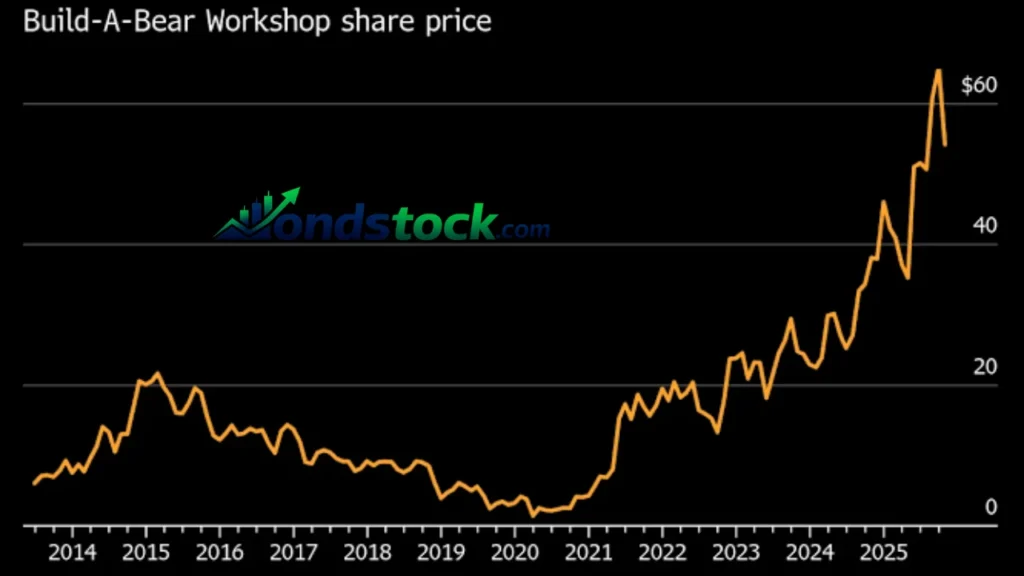
The supplied figures show a market capitalization of approximately $340.14 million and a 52-week range of $23.19 to $72.19. This broad range indicates substantial price volatility during the period. Investors reviewing historical performance should compare the stock’s movement with earnings, revenue trends, and company announcements rather than assuming a past rally will repeat.
| Stock metric | Reported figure |
|---|---|
| Ticker symbol | NYSE: BBW |
| Closing price | $27.61 |
| Daily change | +0.47% |
| Market capitalization | $340.14 million |
| 52-week high | $72.19 |
| 52-week low | $23.19 |
| P/E ratio | 6.84 |
| Reported dividend yield | 3.33% |
These figures reflect the supplied market snapshot dated October 30, 2026, rather than a continuously updated quote.

Build a Bear Stock Forecast and Predictions
A reliable forecast requires more than examining the latest share price. Investors should evaluate revenue growth, earnings expectations, operating margins, cash generation, and management guidance. If the company improves profitability while maintaining customer demand, its shares could attract renewed interest. However, weaker sales or declining earnings could limit recovery even if the stock appears inexpensive based on historical valuation measures.
Investors can organize potential outcomes into three scenarios:
- Bullish scenario: Stronger sales, better margins, successful product launches, and improved guidance support earnings growth.
- Neutral scenario: Revenue stabilizes, costs remain manageable, and the stock trades according to current earnings expectations.
- Bearish scenario: Weaker consumer spending, disappointing merchandise performance, or lower guidance put additional pressure on earnings.
These scenarios are analytical frameworks, not guaranteed price predictions. The supplied market information also mentions an average analyst price target of approximately $38.50. That figure should be verified against current analyst coverage because estimates can change. Investors should review the target’s publication date, assumptions, and expected time horizon before relying on it.
Why Is Build a Bear Stock Going Up or Down?
Share prices can change when investors receive new information about a company’s financial performance or future prospects. For BBW, important influences include quarterly earnings, revenue growth, customer traffic, merchandise demand, and management’s expectations. A positive earnings surprise may encourage buying, while disappointing revenue or a weaker outlook can lead investors to reconsider what the business is worth.
The supplied information reports that quarterly revenue was approximately $115.29 million, down 7.21% year over year, while earnings per share exceeded expectations by 11.70%. Revenue missed expectations by 4.32%. This mixed performance helps explain why investors should examine several financial measures together. Stronger-than-expected earnings do not necessarily offset concerns about declining sales, and one trading session cannot establish a lasting trend.
Build a Bear Stock Analysis: Financial Performance and Valuation
Financial analysis helps investors determine whether a company’s share price reasonably reflects its business performance. The reported P/E ratio of 6.84 suggests that BBW trades at a relatively low multiple of its reported earnings. However, a low P/E ratio does not automatically mean a stock is undervalued. Investors must determine whether earnings are sustainable and whether the market expects future profits to decline.
Useful measures to review include revenue growth, operating margins, earnings per share, free cash flow, and inventory levels. Retailers can face rising costs from wages, rent, shipping, and merchandise production. If these expenses grow faster than sales, profitability may weaken. Investors should also examine official quarterly reports to understand whether cash generation supports operations, dividends, and future investment.
Build a Bear Stock Dividend: Does BBW Pay Dividends?
The supplied data lists a dividend yield of approximately 3.33% and a quarterly dividend amount of $0.23 per share. If four quarterly payments of $0.23 were maintained, the annualized dividend would equal $0.92 per share. At a share price of $27.61, that would imply a yield of approximately 3.33%. This calculation assumes the quarterly payment continues and does not guarantee future distributions.
Investors should verify the latest dividend announcement, ex-dividend date, record date, and payment date before buying shares for income. A dividend can contribute to total returns, but the stock price may decline by more than the amount distributed. The company’s financial health and cash flow are important when assessing whether future payments are sustainable. Dividend information can change, so official company disclosures should take priority over older market summaries.
Build a Bear Stock vs. Nvidia: Which Investment Is Different?
Build-A-Bear Workshop and NVIDIA operate in very different industries. BBW depends primarily on consumer purchases of plush toys, accessories, and related merchandise. NVIDIA develops computing technologies, including graphics processors and products used in artificial intelligence infrastructure. Their revenue drivers, competitive environments, and growth expectations differ significantly, making a direct comparison based only on share prices misleading.
Investors comparing the two companies should consider their financial performance, valuations, business risks, and role within a portfolio. BBW may appeal to investors researching a smaller consumer brand with a retail-focused business model and dividend payments. NVIDIA is more closely connected to semiconductor demand, data-center investment, and AI adoption. Neither stock is automatically the better choice. Suitability depends on valuation, risk tolerance, investment objectives, and the investor’s expectations for future earnings.
Build a Bear Stock News and Market Catalysts
Company news can influence investor expectations before financial results fully reflect a change in business conditions. Relevant developments include earnings releases, updated sales guidance, new product collections, licensing agreements, international expansion, and changes in store performance. News about consumer spending or retail traffic can also affect expectations for the company’s upcoming quarters.
The supplied news summary mentions investor Michael Burry expressing interest in the company’s physical retail model. Such attention may increase market discussion, but an individual investor’s opinion does not establish the stock’s fair value. Readers should check the original report, confirm the date, and compare the claims with company filings. Official investor relations announcements provide a useful starting point for verifying financial results and management commentary.
Why Is Build a Bear Stock So High? Understanding Price Rallies
A stock may rise sharply when investors expect stronger future profits, recognize an attractive valuation, or respond to a positive business development. For BBW, potential catalysts include improved sales, stronger margins, successful holiday merchandise, and better-than-expected financial results. Changes in investor sentiment can also move a share price, especially when a company has a relatively small market capitalization.
However, a previous high of $72.19 does not mean the stock must return to that level. Historical prices reflect the expectations and market conditions that existed at the time. To assess whether the current price offers value, investors should compare earnings prospects, cash flow, and business risks with the company’s valuation. A lower share price can present an opportunity, but it can also reflect deteriorating fundamentals.
Build a Bear Stock Market Risks and Growth Opportunities
Build-A-Bear Workshop benefits from a recognizable brand and an interactive retail experience that distinguishes its stores from conventional toy shopping. Personalized products, licensing arrangements, online sales, and international opportunities could help the company reach new customers. Strong customer engagement and effective product development may also support repeat purchases and seasonal demand.
Nevertheless, several risks deserve attention. Consumers may reduce spending on discretionary products during periods of economic uncertainty. Competition, changing preferences, higher operating expenses, inventory challenges, and weaker store traffic can also affect financial results. Investors should weigh these threats against the company’s growth opportunities rather than relying solely on brand recognition. Diversification and careful position sizing can help manage the risk of investing in an individual stock.
How to Check Build a Bear Stock and Track Its Performance
Investors can monitor BBW through reputable financial platforms and the company’s official investor relations website. These sources provide share prices, historical charts, earnings announcements, dividend information, and regulatory filings. Checking more than one source can help identify delayed quotes or conflicting figures, particularly when markets are closed or after-hours trading is underway.
For a practical monitoring routine, investors can track:
- Daily and weekly share-price movements.
- Quarterly revenue, earnings per share, and management guidance.
- Dividend announcements and payout sustainability.
- Trading volume and significant company news.
- Changes in analyst estimates and valuation measures.
A consistent process helps investors distinguish short-term market noise from meaningful changes in business performance. Price alerts can identify major movements, while scheduled reviews of financial reports provide deeper context. Investment decisions should be based on current, verified information and personal financial circumstances rather than online speculation alone.
Conclusion
Build-A-Bear Workshop offers investors a distinctive retail business with a recognizable brand, personalized products, and several potential growth opportunities. The reported closing price of $27.61 on October 30, 2026, places the stock well below its reported 52-week high, while the latest supplied financial figures show a mixture of earnings strength and revenue pressure.
Anyone researching BBW should consider its valuation, sales trends, dividend sustainability, competitive position, and future earnings prospects together. A low P/E ratio or an attractive dividend yield can support an investment case, but neither eliminates the risk of further declines. Reviewing official financial statements and updated market data is essential before making an investment decision.
Frequently Asked Questions
What is the Build-A-Bear stock symbol?
Build-A-Bear Workshop, Inc. trades on the New York Stock Exchange under the ticker symbol BBW.
What was the Build-A-Bear stock price on October 30, 2026?
The supplied market snapshot shows a regular-session closing price of $27.61 per share on October 30, 2026.
Does Build-A-Bear stock pay a dividend?
The supplied data lists a quarterly dividend of $0.23 per share and an indicated yield of approximately 3.33%, subject to confirmation of current company announcements.
What is the Build-A-Bear stock forecast for 2026?
The outlook depends on sales performance, earnings, margins, consumer demand, and management guidance; investors should review current analyst estimates before drawing conclusions.
Why is Build-A-Bear stock going down?
Potential reasons include weaker revenue, disappointing product demand, lower sales guidance, rising costs, or changing investor expectations.
Why is Build-A-Bear stock going up?
The shares may rise following stronger earnings, improved business expectations, positive company news, or renewed investor interest.
How has Build-A-Bear stock performed over the last five years?
Its five-year performance should be evaluated using historical price data and total returns, including dividends where applicable, rather than relying on a single price snapshot.
Is Build-A-Bear stock a good investment?
BBW may interest investors who believe its valuation and growth prospects outweigh its risks, but its suitability depends on individual goals, risk tolerance, and independent research.
Also Read…