
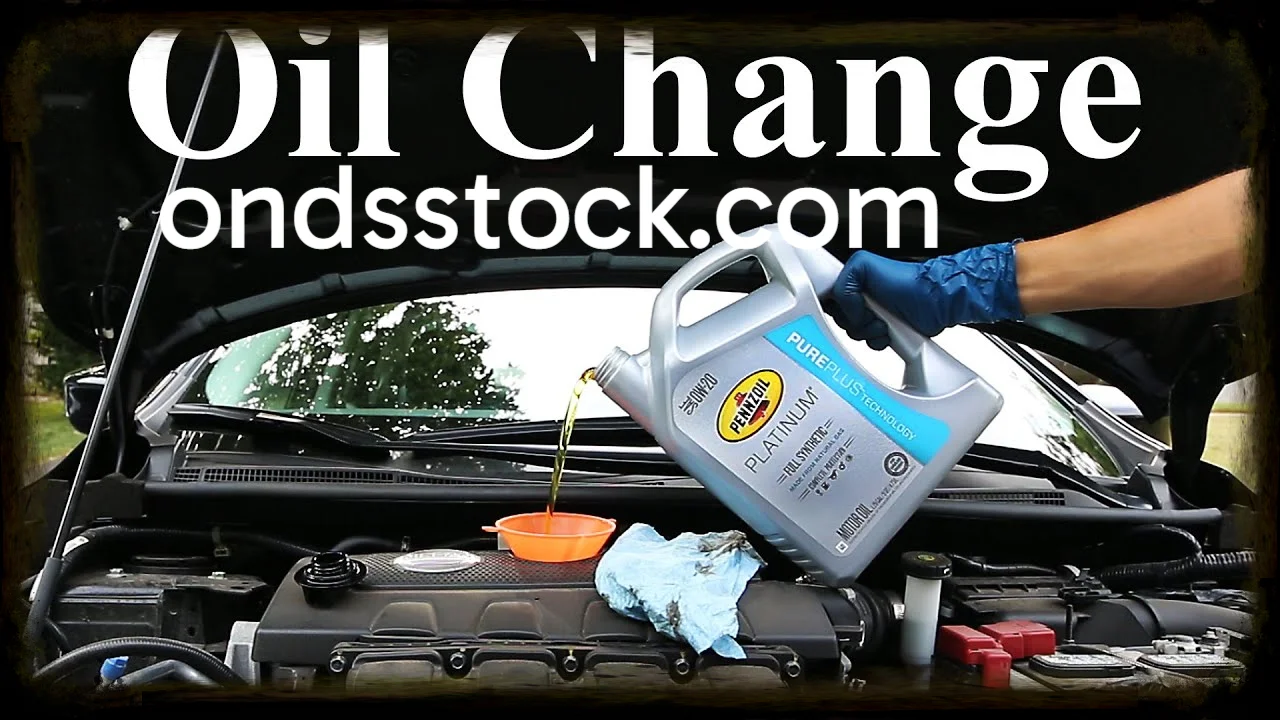
Oil Change: Quick Answer
An oil change removes old engine oil and replaces it with fresh oil and usually a new oil filter. It helps lubricate engine components, reduce friction, manage heat, and carry contaminants away from critical parts.
The most important question is not simply, “How many miles can I drive?” Your vehicle manufacturer determines the recommended oil type and service interval. Check your owner’s manual or oil life monitoring system before scheduling your next oil change. Driving conditions such as frequent short trips, stop and go traffic, towing, heavy loads, and extreme temperatures can also affect how often your vehicle needs service.
If your dashboard shows an oil change reminder, your oil level is low, or you notice unusual engine noise, do not ignore it. An overdue oil change can allow degraded oil to provide less effective protection and may increase engine wear.
What Is an Oil Change?
An oil change is routine vehicle maintenance in which old engine oil is drained and replaced with the correct new oil. The oil filter is normally replaced at the same time.
Engine oil has several important jobs. It helps lubricate moving parts, reduce friction, control heat, and carry contaminants away from engine components.
As oil ages, its condition can deteriorate. Contaminants can accumulate, additives can become depleted, and the oil may become less effective at protecting the engine.
That is why an oil change is one of the most important routine maintenance services for a gasoline or diesel vehicle.
Why Is an Oil Change Important?
Regular oil changes help maintain proper lubrication and engine cleanliness.
Here are some major benefits:
| Benefit | Why It Matters |
|---|---|
| Engine protection | Helps reduce friction and wear |
| Better lubrication | Keeps moving components lubricated |
| Heat management | Helps carry heat away from engine parts |
| Cleaner engine | Helps control contaminants and deposits |
| Reliable performance | Supports consistent engine operation |
| Preventive maintenance | Can help avoid expensive engine problems |
Fresh oil cannot repair an already damaged engine, but following the manufacturer’s maintenance schedule can help you avoid preventable problems.
How Often Should You Get an Oil Change?
There is no single oil change interval that works for every vehicle.
Older advice often told drivers to change their oil every 3,000 miles. That is not a universal rule for modern vehicles.
Instead, follow the interval specified by your vehicle manufacturer. Many newer vehicles use an oil life monitoring system that considers operating conditions when determining when service is needed.
Factors That Can Affect Oil Change Frequency
You may need service sooner under demanding driving conditions, including:
- Frequent short trips
- Heavy stop and go traffic
- Towing or carrying heavy loads
- Extreme heat or cold
- Dusty driving environments
- High mileage or older vehicles
- Intensive commercial use
If your vehicle is used under severe conditions, check the severe service schedule in the owner’s manual.
Oil Change Interval: Mileage vs. Oil Life Monitor
| Method | What You Should Know |
|---|---|
| Mileage based | Follow the manufacturer’s specified mileage |
| Time based | Some vehicles specify a maximum time interval |
| Oil life monitor | Uses vehicle operating data to estimate oil condition |
| Severe service schedule | May require more frequent maintenance |
Best answer: Follow your vehicle manufacturer’s recommendation rather than relying on a universal 3,000 mile rule. AAA also recommends using the owner’s manual and vehicle maintenance guidance to determine the correct interval.
What Type of Oil Should You Use?
The correct oil depends on your specific engine.
Your owner’s manual normally specifies the required viscosity and performance specifications. Common viscosity grades include 0W 20, 5W 20, 5W 30, and 0W 40, but you should never choose an oil grade simply because it is popular.
Using the correct specification matters because modern engines can have specific lubrication requirements.
Conventional Oil
Conventional oil is a petroleum based engine oil. It can be suitable for vehicles whose manufacturer permits it.
Synthetic Blend Oil
Synthetic blend oil combines conventional and synthetic base oils. It can provide a middle ground between conventional and full synthetic oil.
Full Synthetic Oil
Full synthetic oil is engineered for consistent performance and can offer strong resistance to breakdown under demanding conditions. However, a synthetic oil does not automatically mean you can ignore your manufacturer’s recommended interval.
High Mileage Oil
High mileage formulations are designed for older or higher mileage vehicles. Whether you need one depends on your vehicle and manufacturer’s recommendations. Source: Popular Mechanics
What Happens During an Oil Change?
A professional oil change normally involves several basic steps.
- The vehicle is positioned safely.
- The old engine oil is drained.
- The old oil filter is removed.
- A new oil filter is installed.
- Fresh oil with the correct specification is added.
- The oil level is checked.
- The technician checks for leaks.
- The oil life monitor or maintenance reminder may be reset.
A good service provider may also perform a basic visual inspection and check fluid levels, although exactly what is included varies by shop.
How Much Does an Oil Change Cost?
The price of an oil change varies significantly based on your vehicle, oil type, location, labor rates, and service provider.
Do not rely on one fixed national price.
For example, RepairPal’s estimates updated in August 2026 show an average oil change estimate of $158 to $187, while individual vehicles can have substantially different costs.
What Can Increase the Cost?
- Larger engines requiring more oil
- Premium or manufacturer specified oil
- Synthetic oil
- Specialty or luxury vehicles
- Dealership labor rates
- Additional maintenance
- Extra filters or services
Tip: Ask what oil specification, oil quantity, filter, labor, and additional services are included before approving the work.
Signs You May Need an Oil Change
Do not rely only on the color of your oil.
Watch for these warning signs:
Oil Change Reminder
If your vehicle displays an oil service reminder, check the owner’s manual and maintenance schedule.
Low Oil Level
Low oil is different from old oil. Check your oil level according to your vehicle’s instructions and add the correct oil if required.
Unusual Engine Noise
Unusual ticking, knocking, or other engine noises can indicate a serious problem. Do not assume an oil change alone will fix the issue.
Oil Warning Light
An oil pressure warning light can indicate a serious problem. If it illuminates while driving, safely stop and consult your vehicle’s instructions or a qualified technician.
Oil Leaks
Oil spots under your vehicle may indicate a leak. An oil change will not fix the underlying leak.
Burning Oil Smell
A burning oil smell can indicate oil contacting hot engine components or another mechanical problem.
Can You Change Your Own Oil?
Yes, an experienced DIY owner can perform an oil change if they have the correct tools, vehicle specifications, and a safe work area.
Advantages of a DIY Oil Change
- You control the oil and filter you purchase.
- You can save on labor.
- You learn more about your vehicle.
- You can perform the service on your own schedule.
Risks of a DIY Oil Change
- The vehicle must be safely supported.
- The drain plug can be damaged by incorrect installation.
- The filter must be installed correctly.
- The engine must be filled to the correct level.
- Used oil must be collected and recycled properly.
If you are unsure about any part of the process, professional service is the safer option. RepairPal also recommends following the specific procedures and specifications for your vehicle before attempting a DIY oil change.

How to Choose the Best Oil Change Service
Price should not be your only deciding factor.
Before choosing a shop, consider:
1. Check Reviews
Look for consistent feedback about workmanship, transparency, communication, and customer service.
2. Ask Which Oil They Use
Ask for the oil brand, viscosity, specification, and quantity.
3. Confirm the Filter
Ask whether the oil filter is included and which filter will be installed.
4. Watch for Unnecessary Upsells
A shop may recommend additional services. Ask what problem each service addresses and whether it is required by your vehicle’s maintenance schedule.
5. Keep Your Records
Save invoices and maintenance records. A documented service history can be useful when maintaining or selling a vehicle.
Oil Change vs. Oil Top Up
These two services are not the same.
Oil top up: You add oil because the engine level is low.
Oil change: You remove the existing oil and replace it with fresh oil, normally along with the filter.
If your oil level keeps dropping between services, investigate why. The engine may have an oil leak or may be consuming oil.
Adding oil does not replace a scheduled oil change.
Does Dark Oil Mean You Need an Oil Change?
Not necessarily.
Oil can become darker as it circulates through the engine and collects contaminants. Color alone is not a reliable way to determine whether an oil change is due.
Instead, use your manufacturer’s recommended maintenance schedule, oil life monitor, and other vehicle specific information.
What Happens If You Skip an Oil Change?
Delaying an oil change for a short period does not automatically mean your engine will fail.
However, consistently exceeding the manufacturer’s maintenance interval can increase the risk of degraded lubrication, deposits, wear, and eventually serious engine problems.
If you realize that your oil change is overdue, check the vehicle’s maintenance information and schedule service rather than continuing to delay it. AAA notes that extended periods without an oil change can contribute to engine performance problems and more serious damage.
Do Electric Cars Need an Oil Change?
Fully electric vehicles generally do not need a traditional engine oil change because they do not have an internal combustion engine.
However, hybrid vehicles still have an internal combustion engine, so they can require engine oil changes.
Always follow the maintenance schedule for your specific vehicle.
Oil Change Checklist
Before leaving an oil change shop, confirm:
- Correct oil viscosity was used.
- Correct manufacturer specification was followed.
- Oil filter was replaced if required.
- Oil level was checked.
- Drain plug and filter were checked for leaks.
- Oil life monitor was reset if applicable.
- Your next service interval was recorded.
This simple checklist can help prevent avoidable mistakes.
Oil Change Myths You Should Stop Believing
Myth 1: Every Car Needs an Oil Change Every 3,000 Miles
False. Modern vehicles can have different manufacturer specified intervals. Always check your owner’s manual and oil life monitoring system.
Myth 2: Synthetic Oil Means You Never Need to Change It
False. Synthetic oil can offer excellent performance, but it still requires replacement according to the manufacturer’s recommendations.
Myth 3: Black Oil Always Means the Engine Is Damaged
False. Oil color alone does not tell you whether an engine is healthy or whether an oil change is immediately required.
Myth 4: Adding Oil Is the Same as Changing Oil
False. Adding oil restores the level. An oil change replaces the old oil and normally the filter.
Myth 5: Cheap Oil Is Always Better for Your Budget
Not necessarily. The cheapest service may not use the correct oil specification or provide the level of service your vehicle requires.
Frequently Asked Questions
How often should I get an oil change?
Follow your vehicle manufacturer’s recommended maintenance interval. Your owner’s manual or oil life monitoring system is more reliable than a universal mileage rule.
How long does an oil change take?
Many professional oil changes can be completed relatively quickly, but the actual time depends on the shop, vehicle, service package, and whether additional problems are found.
Is synthetic oil better?
Synthetic oil can provide strong protection and resistance to breakdown, but the most important factor is using the oil specification recommended for your vehicle.
Can I change my oil myself?
Yes. A DIY oil change is possible if you have the proper tools, safe lifting equipment, correct oil and filter, and knowledge of your vehicle’s procedure.
What oil should I use?
Use the viscosity grade and performance specification listed in your owner’s manual. Do not choose oil based only on price or brand.
Should I change the oil filter every time?
Many manufacturers recommend replacing the oil filter at each oil change. Follow your vehicle’s maintenance instructions.
How much does an oil change cost?
The cost varies by vehicle and location. RepairPal’s August 2026 estimates put its average oil change estimate at $158 to $187, but individual vehicle costs can differ substantially.
Can an oil change improve fuel economy?
Proper engine maintenance can support efficient operation, but you should not expect an oil change to produce a guaranteed or dramatic increase in fuel economy.
Do electric cars need an oil change?
Fully electric vehicles do not require traditional engine oil changes. Hybrids can still require them because they use an internal combustion engine.
What is the most important oil change rule?
Follow your vehicle manufacturer’s maintenance schedule and use the exact oil specification recommended for your engine.
Final Verdict
An oil change is simple preventive maintenance, but choosing the correct oil and following the correct service interval matters.
Do not blindly follow the old 3,000 mile rule. Check your owner’s manual, use your vehicle’s oil life monitoring system when available, and consider how you actually drive.
If your vehicle is due for service, do not keep postponing it. A routine oil change is far easier and less expensive to deal with than an avoidable engine problem.
The best oil change is not simply the cheapest one. It is the one that uses the correct oil, follows the manufacturer’s specifications, replaces the filter when required, and leaves your vehicle properly serviced.
Read More
About the Author
Johan Harwen is an ASE-certified automotive technician with over 14 years of hands-on experience in vehicle maintenance and repair. He writes practical, no-nonsense guides to help everyday drivers understand their cars better and make smarter maintenance decisions. When he is not under a hood, James coaches youth mechanics and contributes to several automotive publications across North America.
Email: johanharwen314@gmail.com
Author Name: Johan Harwen