
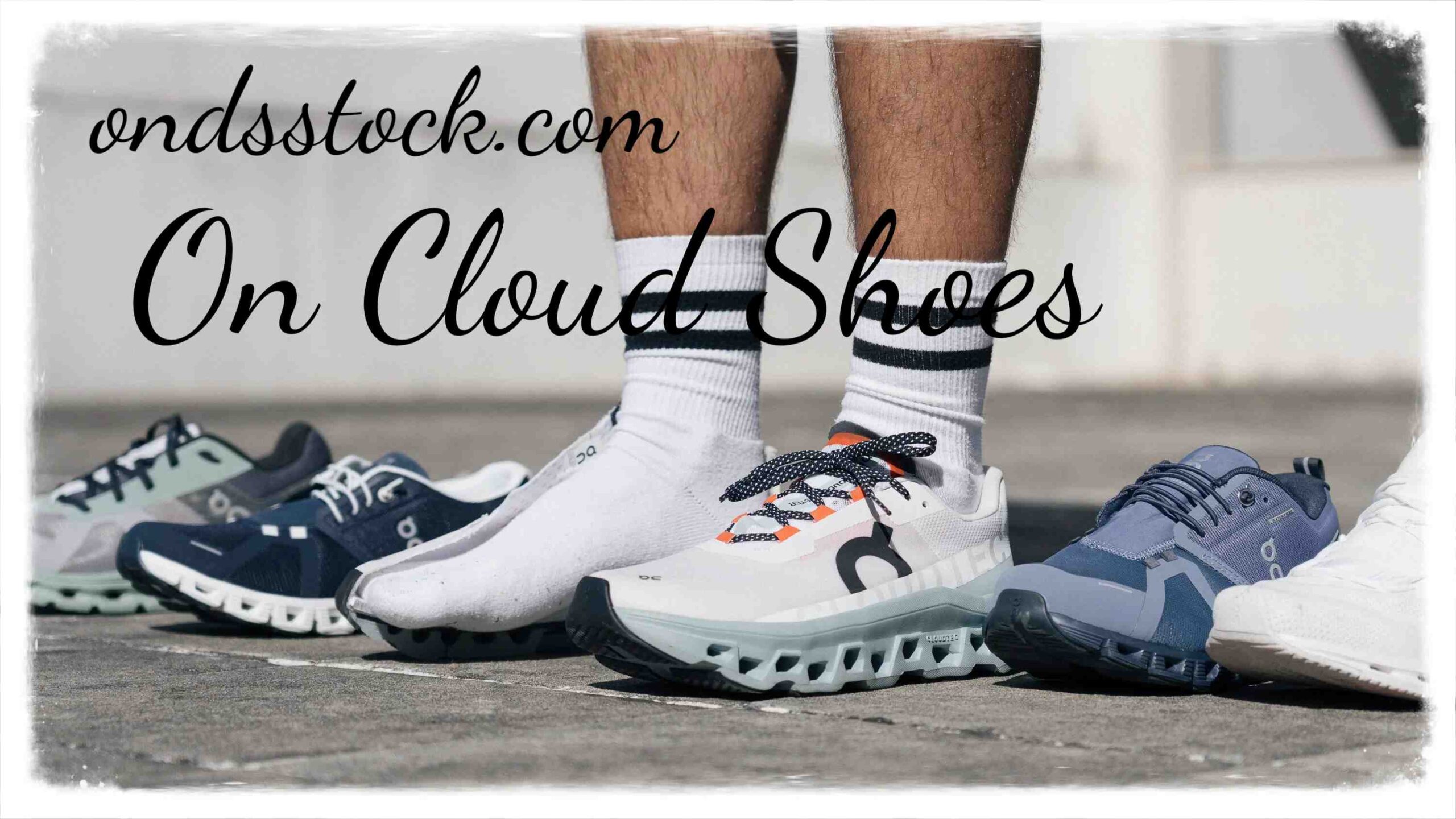
Are On Cloud Shoes worth buying in 2026? For many runners, walkers and everyday sneaker users, the answer is yes—but the best model depends heavily on how you plan to use the shoe.
On Cloud Shoes have become one of the most recognizable names in modern performance footwear. The Swiss brand combines its distinctive CloudTec® cushioning, lightweight construction and lifestyle-focused design to create shoes for running, walking, training, hiking and everyday wear.
However, not every On shoe is designed for the same purpose.
Someone looking for maximum cushioning for long runs may prefer a Cloudmonster model, while a person who needs an everyday lifestyle shoe may be better suited to the Cloud 6. Stability-focused runners, meanwhile, may find the Cloudrunner collection more appropriate.
On Cloud Shoes: Quick Answer
| Question | Short Answer |
|---|---|
| Are On Cloud Shoes comfortable? | Yes, many models are designed for lightweight cushioning and everyday comfort. |
| Are they good for running? | Yes, but the best model depends on distance, pace and support needs. |
| Are they good for walking? | Yes. Models such as the Cloud 6 and lifestyle-focused shoes are popular for all-day wear. |
| Do On Cloud Shoes run small? | Fit varies by model and foot shape. Regular and wide options are available for selected models. |
| Are they expensive? | Yes. Many current models are positioned in the premium running and lifestyle footwear market. |
| What makes them different? | Their signature CloudTec® cushioning system and Swiss-engineered performance design. |
What Are On Cloud Shoes?
On Cloud Shoes are performance and lifestyle shoes made by Swiss sportswear company On.
The brand is best known for its distinctive sole design, which uses CloudTec® technology. Rather than relying on one traditional block of foam, CloudTec® uses engineered cushioning geometries designed to compress and support movement during impact and push-off.
According to On, CloudTec® is a structural cushioning system that uses specially engineered foam geometries to absorb impact and provide multi-directional support.
Today, On’s product range includes shoes for:
- Road running
- Long-distance running
- Trail running
- Walking
- Gym and training
- Tennis
- Hiking
- Travel
- Everyday lifestyle wear
This wider product range is one reason the search term On Cloud Shoes has become broader than simply looking for running shoes.
Who Makes On Cloud Shoes?
On Cloud Shoes are made by On Holding AG, a Swiss sportswear company founded in Zurich.
The company was built around the idea of creating a different running sensation: a cushioned landing combined with a more responsive take-off.
What started as a performance-running brand has grown into a global premium sportswear business.
On Holding AG is listed on the New York Stock Exchange under the ticker ONON.
The company’s growth has been substantial. In 2025, On reported net sales of CHF 3.014 billion, representing 30% reported growth year over year, while gross profit margin reached 62.8%.
Why Are On Cloud Shoes So Popular?
The popularity of On Cloud Shoes comes from a combination of performance technology and visual identity.
1. Distinctive Cushioning
The most recognizable feature is the CloudTec® sole design.
On explains that CloudTec® can be engineered into different geometries depending on the intended experience of the shoe. Some designs focus more heavily on stability, while others prioritize cushioning or energy return.
2. Lightweight Feel
Many On models are designed to avoid the heavy feeling associated with traditional maximum-cushion shoes.
This appeals to people who want cushioning without feeling like they are wearing a bulky sneaker.
3. Performance and Lifestyle Appeal
One of On’s biggest strengths is that its shoes often work in more than one environment.
Many customers wear On shoes for:
- Morning walks
- Commuting
- Travel
- Workplaces with casual dress codes
- Gym sessions
- Running
- Everyday outfits
4. Recognizable Design
The sole design makes many On models instantly recognizable.
This visual identity has helped the company attract both serious athletes and fashion-conscious consumers. Healthcare SEO Companies
Best On Cloud Shoes in 2026
The best On Cloud Shoes depend on what you need them for.
1. Cloud 6 — Best for Everyday Wear and Walking
The Cloud 6 is one of the most recognizable shoes in the On collection.
It is designed primarily for all-day wear and combines CloudTec® cushioning with a lifestyle-focused appearance.
The current On collection also includes variations such as:
- Cloud 6
- Cloud 6 Wide
- Cloud 6 Waterproof
- Cloud 6 Versa
The standard Cloud 6 is positioned as an all-day shoe rather than a specialist marathon racing shoe.
Best for:
- Walking
- Travel
- Daily errands
- Casual outfits
- All-day comfort
2. Cloudmonster 3 — Best for Maximum Cushioning
The Cloudmonster collection is designed for runners who want more cushioning and a more energetic ride.
The current On lineup includes the Cloudmonster 3, including wide-fit versions, with On positioning the model for everyday running and a responsive ride.
Best for:
- Long runs
- Easy runs
- High-mileage training
- Runners who prefer more cushioning
3. Cloudrunner 3 — Best for Stability
The Cloudrunner collection is aimed at runners who want additional support.
On describes the Cloudrunner range as using a wider and more stable CloudTec® geometry designed to help reduce side-to-side movement and create a more confident ride.
The lineup includes regular, wide and max-cushioning options.
Best for:
- Everyday running
- Runners who prefer stability
- Beginners
- People who dislike overly unstable shoes
4. Cloudsurfer Max — Best for Long, Smooth Runs
The Cloudsurfer family focuses on a smoother running experience.
The Cloudsurfer Max is positioned by On for long runs and a smooth ride, using cushioning technologies designed for a softer and more continuous running sensation.
Best for:
- Long-distance running
- Recovery runs
- Easy training days
- Runners who prioritize cushioning
5. Cloudflow 5 — Best for Faster Running
The Cloudflow 5 is designed for runners looking for a lighter and faster experience.
On lists the model for tempo running and interval-style training, using performance-focused cushioning and Speedboard® technology.
Best for:
- Tempo runs
- Faster workouts
- Intervals
- Runners who prefer a more responsive shoe
On Cloud Shoes Comparison Table
| Model | Best For | Cushioning Feel | Key Strength |
|---|---|---|---|
| Cloud 6 | Walking and everyday wear | Comfortable | Lifestyle versatility |
| Cloudmonster 3 | Long and easy runs | High | Cushioned and responsive |
| Cloudrunner 3 | Everyday running | Stable | Support and confidence |
| Cloudsurfer Max | Long runs | High and smooth | Comfortable distance running |
| Cloudflow 5 | Faster training | Responsive | Speed and lightweight feel |
Important: The best shoe for one person may not be the best shoe for another. Your body weight, foot width, running style, distance and preferred cushioning level all matter.
Are On Cloud Shoes Good for Walking?
Yes, many On Cloud Shoes are suitable for walking.
However, not every running model is automatically the best option for all-day walking.
For everyday use, buyers may prefer models designed specifically for:
- All-day comfort
- Lifestyle wear
- Travel
- Walking
The Cloud collection, including the Cloud 6, is specifically positioned by On as an all-day footwear option.
People who walk long distances may also prefer more cushioning, depending on their personal comfort preferences. Source: NBC News
Are On Cloud Shoes Good for Running?
Yes. On makes dedicated shoes for road running, long-distance training, trail running and faster workouts.
The important question is not simply:
“Are On Cloud Shoes good for running?”
The better question is:
“Which On Cloud Shoes are best for my type of running?”
For example:
- Long runs → Cloudsurfer Max or Cloudmonster models
- Everyday running → Cloudrunner or Cloudsurfer
- Faster sessions → Cloudflow
- Trail running → Cloudvista or Cloudultra
- Racing → Cloudboom performance models
The brand’s current catalog covers a broad range of running categories rather than relying on one universal shoe.
Do On Cloud Shoes Run Small or True to Size?
Sizing can vary between models.
A person with a narrow foot may find a standard fit comfortable, while someone with wider feet may prefer a model available in a wide version.
On currently offers wide-fit options in selected models, including versions of the Cloud 6, Cloudrunner and Cloudmonster lines.
Before Buying, Consider:
- Your usual shoe size
- Foot width
- Toe-box preference
- Whether you wear thick running socks
- Whether the shoe is designed for running or casual wear
For running shoes, a comfortable amount of room around the toes can be particularly important during longer distances.
On Cloud Shoes Technology Explained
CloudTec®
CloudTec® is On’s signature cushioning technology.
According to the company, the system uses engineered foam geometries that compress in response to movement to absorb impact and provide support.
Different CloudTec® designs can create different experiences.
For example:
- Cloudrunner designs focus more on stable geometry
- Cloudmonster designs emphasize cushioning and energy return
Helion™ Superfoam
Helion™ is On’s cushioning foam technology used across multiple shoe categories.
On describes Helion™ as combining cushioning, support and control while allowing the performance characteristics of the foam to be tuned for different shoes.
This means two On shoes can feel noticeably different even if both use Helion™.
Speedboard®
Some performance models use a Speedboard® designed to support forward movement and responsiveness.
This technology is more relevant to certain running and performance shoes than to everyday lifestyle footwear.
Are On Cloud Shoes Worth the Price?
They can be worth the price if you value lightweight comfort, distinctive cushioning and premium design.
However, they may not be the best choice for every budget.
Reasons They May Be Worth It
- Premium materials and construction
- Specialized cushioning technology
- Lightweight design
- Strong performance and lifestyle crossover
- Large selection for different activities
- Recognizable design
Reasons They May Not Be Worth It
- Premium prices
- Fit may not work for every foot shape
- Some models are highly specialized
- Cheaper alternatives are available
- Cushioning preference is highly personal
The key is choosing the correct model rather than buying based only on the On Cloud brand name.
How Much Do On Cloud Shoes Cost?
Prices vary significantly depending on the model.
Current US listings show examples ranging from approximately:
- $160 for selected Cloud 6 and Cloudrunner models
- $170–$190 for several premium running and lifestyle models
- $200+ for certain specialist performance shoes
Examples from On’s current collection include the Cloud 6 at $160, Cloudrunner 3 at $160, Cloudmonster 3 around $190 and specialist models at higher price points.
Prices, colors and availability can change by region and retailer.
On Cloud Shoes vs HOKA
On and HOKA are often compared because both brands are popular among runners looking for comfortable modern footwear.
On Cloud Shoes
Often associated with:
- Lightweight feel
- Distinctive sole design
- Performance and lifestyle crossover
- Responsive cushioning
- Swiss-engineered branding
HOKA
Often associated with:
- High cushioning
- Thick midsoles
- Long-distance comfort
- Strong running focus
Neither brand is automatically better.
The better choice depends on whether you prefer:
lighter and more responsive cushioning or a highly cushioned and more traditional maximal running feel.
Trying both styles can be useful because cushioning preferences are extremely personal. Tesla Stock Price Prediction 2030
On Cloud Shoes vs Nike
Nike offers a much larger overall footwear ecosystem, including performance running, basketball, lifestyle and casual shoes.
On, however, has developed a particularly strong identity around premium running technology and modern design.
On may appeal more to shoppers looking for:
- Premium running footwear
- Lightweight comfort
- Minimalist styling
- CloudTec® cushioning
Nike may offer more choices for shoppers looking for:
- Broader price ranges
- A wider variety of sports
- Extensive lifestyle collections
- Different cushioning technologies
On Cloud Shoes vs ASICS
ASICS has a long history in performance running and is particularly well known among serious runners.
On differentiates itself through:
- CloudTec® cushioning
- Premium design
- Lifestyle appeal
- Lightweight shoe construction
ASICS may appeal to runners looking for highly technical and traditional running-focused designs.
On may appeal to people who want their running shoes to work as part of their everyday wardrobe as well.
Common Problems With On Cloud Shoes
No shoe brand is perfect.
Some buyers may experience:
Narrow Fit
Certain models may feel too narrow for wider feet.
Checking for wide versions can help.
Premium Price
On shoes can be significantly more expensive than entry-level running shoes.
Model Confusion
The large number of Cloud models can make it difficult to know which shoe is actually right for your needs.
Personal Cushioning Preference
CloudTec® feels different from traditional foam cushioning.
Some runners love the sensation, while others may prefer a more conventional midsole design.
How Long Do On Cloud Shoes Last?
The lifespan of a shoe depends on:
- Running mileage
- Walking frequency
- Surface type
- Body weight
- Running mechanics
- Model construction
Running shoes should generally be monitored for changes in cushioning, outsole wear and overall comfort rather than replaced solely because of a fixed calendar date.
If the shoe no longer feels supportive or comfortable, it may be time to inspect whether replacement is necessary.
What Is New for On Cloud Shoes in 2026?
On continues expanding both its technology and footwear range.
The company has highlighted new performance developments in 2026, including the Cloudboom Strike 2, new foam technologies and continued development of LightSpray production technology. It also said the Cloudsurfer 3 would introduce new cushioning developments later in 2026.
The company expects continued growth while maintaining its premium positioning.
For 2026, On has guided for low-20% constant-currency net sales growth and raised its gross-profit-margin expectation to at least 65%.
This suggests that On Cloud Shoes are likely to continue expanding beyond their original identity as a niche running product.
Why On Cloud Shoes Are Growing So Fast
On’s growth is not coming from footwear alone.
In 2025, the company reported:
- CHF 3.014 billion in total net sales
- 30% reported annual growth
- CHF 2.804 billion in footwear sales
- 68.2% apparel growth
- 124.1% accessories growth
Footwear still represented approximately 93% of On’s total net sales in 2025, making shoes the central engine of the business.
The company’s growth strategy also includes expanding:
- Direct-to-consumer sales
- Premium retail
- International markets
- Performance categories
- Apparel
- Lifestyle footwear
Are On Cloud Shoes Good for Everyday Wear?
Yes, especially models specifically designed for all-day use.
For everyday wear, look for features such as:
- Comfortable cushioning
- Lightweight construction
- Durable outsole
- Easy styling
- Suitable fit
The Cloud 6 is one of the most obvious starting points for people looking for a classic On lifestyle shoe.
However, someone walking several miles every day may prefer a different model depending on their comfort and support needs.
How to Choose the Best On Cloud Shoes
Use this simple process before buying.
Step 1: Choose Your Main Activity
Ask yourself:
- Running?
- Walking?
- Gym?
- Travel?
- Everyday wear?
- Trail running?
Step 2: Decide Your Cushioning Preference
Do you want:
- Low cushioning?
- Moderate cushioning?
- Maximum cushioning?
Step 3: Consider Stability
Some runners prefer a stable platform, while others prefer a softer and more flexible ride.
Step 4: Check Your Foot Width
Look for regular or wide options when available.
Step 5: Consider Your Budget
More expensive does not always mean better for your specific needs.
The best On Cloud Shoes are the ones that match your activity, fit and comfort preference.
Frequently Asked Questions About On Cloud Shoes
Are On Cloud Shoes good?
Yes. On Cloud Shoes are widely used for running, walking, training and everyday wear. However, the best experience depends on selecting the correct model for your activity.
Are On Cloud Shoes good for walking?
Yes. Lifestyle models such as the Cloud 6 are designed for all-day use and can be suitable for walking.
Which On Cloud Shoes are best for running?
It depends on your running style. Cloudmonster models are designed for high cushioning, Cloudrunner models prioritize stable everyday running, Cloudsurfer models focus on a smooth ride and Cloudflow models target faster training.
Are On Cloud Shoes good for long-distance running?
Yes, selected models are designed for long runs. The Cloudsurfer Max and Cloudmonster range are examples worth considering for runners who prioritize cushioning.
Do On Cloud Shoes run narrow?
Fit varies by model and foot shape. On offers wide versions of selected models for shoppers who need additional space.
Why are On Cloud Shoes so expensive?
The brand is positioned in the premium sportswear market and invests in specialized cushioning, lightweight construction and performance design.
What is CloudTec®?
CloudTec® is On’s cushioning technology, using engineered foam geometries designed to absorb impact and provide different levels of cushioning and support.
Are On Cloud Shoes good for the gym?
Some On models are specifically designed for training and gym use. A dedicated training shoe may be a better choice than using a maximum-cushion running shoe for weightlifting or mixed workouts.
Are On Cloud Shoes worth buying in 2026?
They can be worth buying if their fit, cushioning style and intended use match your needs. The strongest approach is to select a model based on activity rather than buying solely because it is a popular On shoe.
Final Verdict: Are On Cloud Shoes Worth It in 2026?
On Cloud Shoes remain one of the most interesting premium footwear choices in 2026.
The brand has successfully expanded from its original running-focused identity into a broader collection covering running, walking, training, hiking, tennis and everyday wear.
Its biggest strengths include:
- CloudTec® cushioning
- Lightweight designs
- Premium appearance
- Strong variety of models
- Performance and lifestyle versatility
The biggest weaknesses include:
- Premium prices
- Fit differences between models
- The possibility that the cushioning feel may not suit everyone
The Bottom Line
If you want a shoe for everyday wear, start by exploring the Cloud collection.
If you want maximum cushioning, look at the Cloudmonster range.
If you need stability, the Cloudrunner collection may be a better match.
If your priority is long-distance comfort, consider the Cloudsurfer Max.
And if you want a shoe for faster running, explore the Cloudflow line.
The most important lesson is simple:
ondsstock
About The Author
Johan Harwen is a footwear and retail industry writer who covers sportswear brands, sneaker trends, and consumer market shifts. he has spent years testing running shoes and following the business side of the athletic footwear world, and she enjoys breaking down complex brand stories into clear, useful guides for everyday readers.
Email: johanharwen314@gmail.com
Author Name: Johan Harwen